Case Study:
Huntington Landmark Achieves Peak Security and Senior Resident Satisfaction with Atomic Access
Client Overview
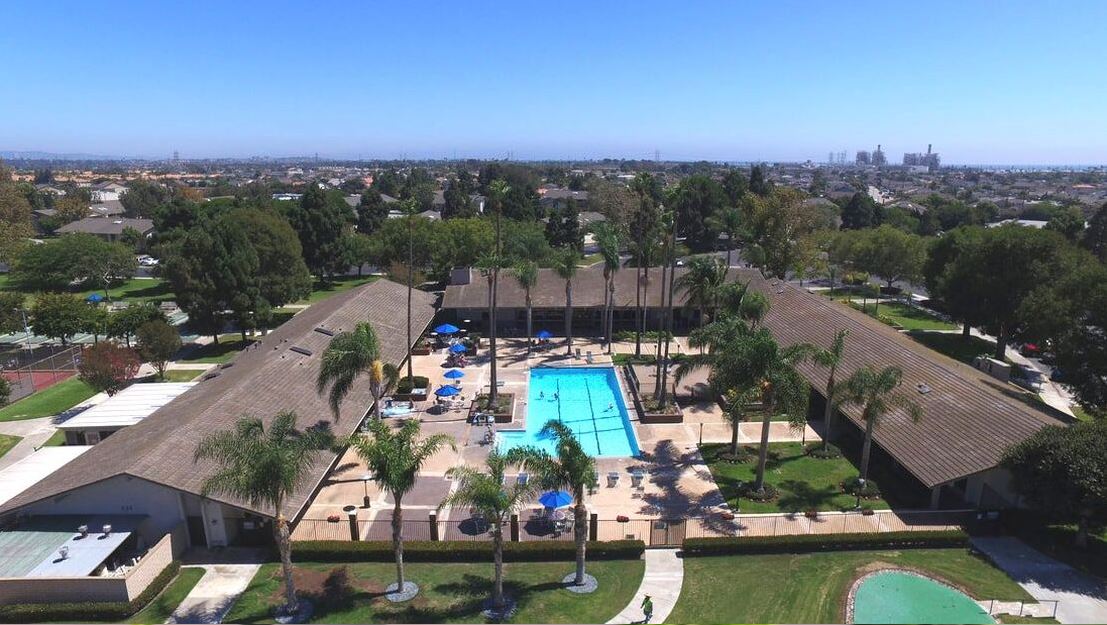
| Detail | Specification |
|---|---|
| Community | Huntington Landmark (55+ Active Senior Community) |
| Location | Huntington Beach, California |
| Community Size | 1,247 Residential Units |
| Resident Enrollment | 2,248 Residents |
| System Deployed | Atomic Access Visitor Management System (VMS) |
The Challenge: Balancing Security, Scale, and Accessibility
Huntington Landmark is a premier, large-scale 55+ gated community that operates an active lifestyle for its 2,248 residents across 1,247 units. The community generates high daily traffic, including family visitors, maintenance vendors, and recurring healthcare providers, all of whom require secure, validated access.
The legacy visitor management process relied heavily on outdated manual logs and a fragmented system for resident communication. This created three major pain points:
- 1 Operational Inefficiency: Security personnel spent excessive time manually verifying names, resulting in long queues during peak hours and increased stress at the guard gate. Auditing and reporting were time-consuming and unreliable.
- 2 Tech-Savvy Exclusion: While many modern VMS solutions push for purely mobile-based entry (QR codes, pre-registration apps), a significant portion of Huntington Landmark’s senior population found these interfaces confusing or simply preferred not to use a smartphone for daily access permissions. A digital-only solution risked creating a barrier between residents and their community services.
- 3 Identification Gaps: Once inside the community, there was no immediate, visible way for roving security or staff to verify a visitor's authorization status, especially those who were not pre-registered.
The Solution: Atomic Access Hybrid VMS
Huntington Landmark partnered with Atomic Access to deploy a comprehensive VMS that integrated a robust digital platform with a low-tech, high-impact physical component.
The core of the solution involved:
- Digital Command Center: Security personnel were equipped with the Atomic Access Guard Management Dashboard, providing instant, real-time access to the entire 2,248-resident directory, pre-approved visitor lists, and immediate notification capabilities.
- Resident Flexibility: The system allowed tech-savvy residents to pre-register guests via the mobile app or web portal.
- The Critical Hybrid Component: Printed Passes
Atomic Access uniquely addressed the community’s accessibility requirements by retaining and enhancing the physical printed pass system. When a resident (or the guard on the resident's behalf) authorized a visitor, the VMS instantly generated a professional, custom, temporary printed pass complete with:
- Date and time stamp
- Visitor name and destination unit
- A clear, visible expiration time
This physical pass served as the essential identification required within the community, instantly solving the identification gap and, critically, accommodating residents who relied on simple phone calls rather than digital apps to manage their guests.
Results and Key Advantages
The implementation of Atomic Access at Huntington Landmark provided immediate, measurable improvements in security, efficiency, and resident satisfaction.
| Metric | Before Atomic Access | After Atomic Access | Impact |
|---|---|---|---|
| Peak Hour Wait Time | 5–8 minutes | Under 60 seconds | 80%+ Reduction |
| Audit Efficiency | Days (Manual Log Review) | Real-time / Seconds | Instant Compliance |
| Resident Adoption | Fragmented & Uneven | Near 100% (Hybrid Approach) | Full Inclusion |
The Power of the Printed Pass
The most significant factor in the VMS success at Huntington Landmark was the thoughtful decision to not abandon low-tech solutions. The robust digital backbone of Atomic Access was perfectly complimented by the following advantages of the printed pass system:
- Senior Accessibility: Residents who were not comfortable with apps could simply call the guardhouse, and their visitor would still receive a professional, validated pass upon arrival, maintaining convenience and dignity.
- Visual Validation: The printed pass provided instant visual verification for all staff, eliminating the need for complex, on-site digital checks by patrol officers. This ensured that every individual on the property was visibly identified as an approved guest.
- Guard Efficiency: While the output was physical, the process was digital. The guards were faster because the software immediately processed the authorization and printed the pass, allowing them to focus on screening and securing the premises rather than handwriting logs.